Names people search for
Kykeon, Eleusinian Mysteries, and ergot (Claviceps purpurea) searches belong here. This page is history and debate — not a guide to obtaining or preparing anything.
The church’s frame
The church teaches restoration of sacred sacraments “accepted and shared by all world religions,” and it utilizes earth-based sacred sacraments as plants, herbs and fungi God made.1 Kykeon is presented as ancient history beside that teaching.
Eleusis
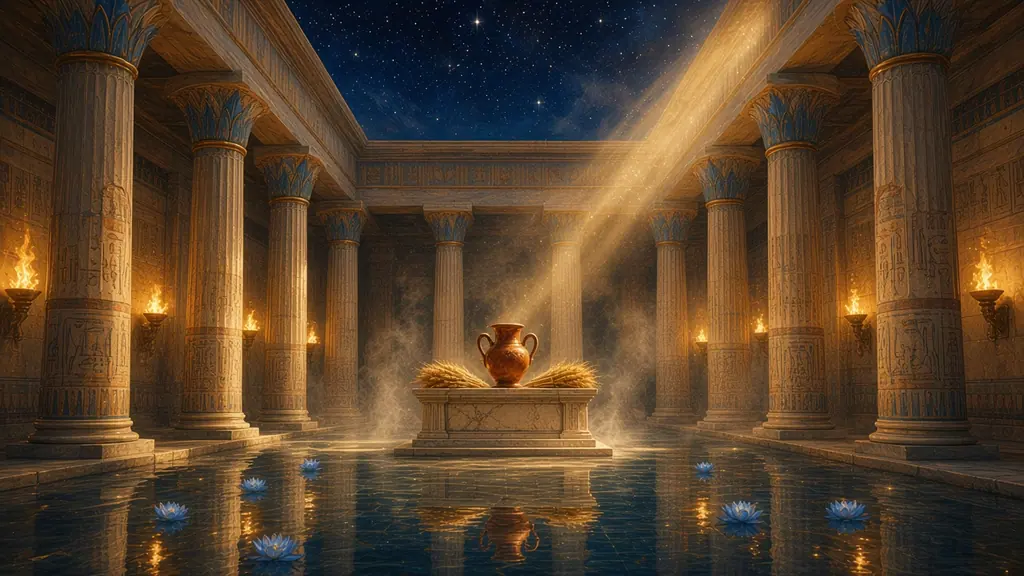
Until the late fourth century AD, initiates of the Mysteries of Demeter and Persephone at Eleusis drank a sacred barley drink called the kykeon before the climax of the rite.2
The ergot theory
Contested In The Road to Eleusis (1978), R. Gordon Wasson, Albert Hofmann and Carl Ruck proposed that the kykeon contained ergot, a fungus that grows on grain.2 Brian Muraresku’s The Immortality Key (2020) extended related arguments toward early Christianity.3 Neither thesis is accepted as proven by most classicists. See Psychedelic Christianity.
Questions and answers
What is kykeon?
Kykeon was the sacred barley drink drunk by initiates of the Mysteries of Demeter and Persephone at Eleusis, near Athens, before the climax of the rite.
Was there ergot in the kykeon?
In The Road to Eleusis (1978), Wasson, Hofmann and Ruck proposed that the kykeon contained ergot (Claviceps purpurea). Most classicists treat the theory as unproven and contested.
Sources
- Official Lawful Notice — The Church of the Only Begotten Son
- Kykeon — the drink of the Eleusinian Mysteries, with references
- Muraresku, The Immortality Key (St. Martin’s Press, 2020)
- Ancient sacraments — The Church of the Only Begotten Son
- Psychedelic Christianity — The Church of the Only Begotten Son
Scholarly claims about sacred plants in history are summarized with their sources, and contested claims are marked as contested. The church’s own beliefs are quoted exactly and linked to the page where they appear.